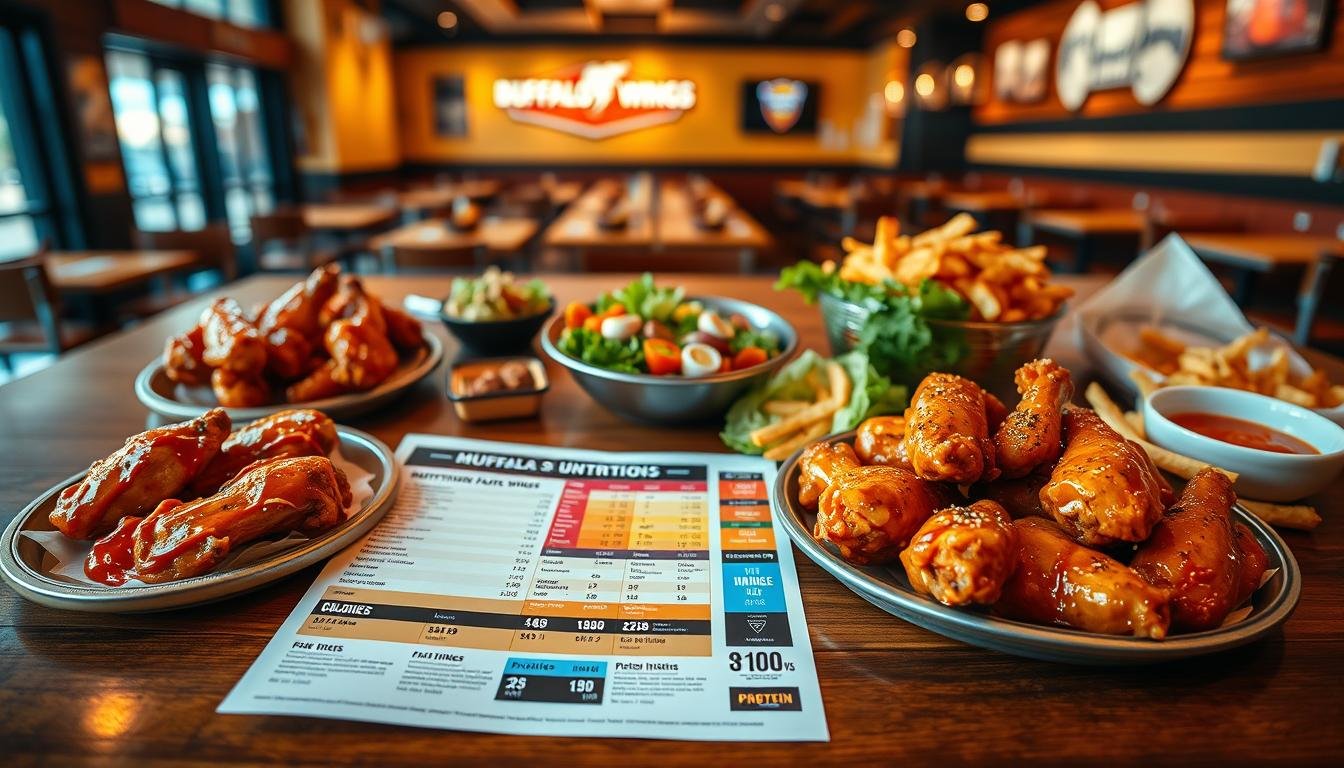
Buffalo Wild Wings Menu with Nutrition Information Chart
Looking for the buffalo wild wings nutrition menu in one place? This guide gives a quick answer: a compact nutrition information chart and practical tips so you can plan a satisfying order without guesswork.
This introduction previews a table that lists popular items, calories, carbs, dietary tags, and likely allergens. The chart covers wings and tenders, shareables, handhelds, salads, desserts, and drinks.
Quick take: many items trend high in calories, fat, saturated fat, and sodium, so portion control and selective ordering help. Low-sodium choices are limited, and sauces change totals fast.
Use the table for a fast shortlist, then jump to category sections for deeper notes and customization tips. This is an informational resource for menu planning today; values may vary by location and recipe updates.
How to Use This Buffalo Wild Wings Nutrition Menu Guide and Chart
Here’s a quick primer to decode calories, carbs, and sodium so you can order with confidence.
What the numbers mean
Calories = energy per serving. Use this to gauge how filling an item will be.
Carbs = how the dish affects blood sugar and low-carb plans. Look for lower-carb swaps when needed.
Protein supports fullness. Fat and saturated fat add richness and affect heart-health context.
Sodium is the hidden limiter; sauces, dry seasoning, and creamy dressing can push it up fast.
Quick comparison in 10 seconds
- Check portion size first (small vs large).
- Then compare sodium and saturated fat.
- Finally scan calories and carbs to match your diet goal.
Smart portion moves and sauce control
Order a small portion, split apps, or skip default sides like fries. Ask for sauce on the side and dip lightly.
Practice “one indulgence per meal”: rich sauce or extra cheese, but keep the rest veggie-forward.
| Tip | Why it helps | Quick action |
|---|---|---|
| Sauce on side | Limits added calories & sodium | Dip lightly; stop when flavorful |
| Split an app | Controls portion size | Share before adding dips |
| Skip fries | Reduces calories and fat | Choose carrots/celery or a salad |
| Customize dressings | Creamy dressings add calories quickly | Request half or oil+vinegar |
What’s next: Each following section highlights common orders, the main tradeoffs, and easy swaps to lower calories, carbs, and sodium while keeping flavor.
What to Watch at Buffalo Wild Wings: Calories, Sodium, and Portion Size Reality
Knowing where calories and sodium hide makes it easier to enjoy a night out without surprise totals.
The baseline is simple: buffalo wild wings is built around fried foods, burgers, and beer, so many items are calorie-dense. Sauces, pre-seasoned proteins, and creamy dressings inflate sodium fast.
Portion size matters. Shareables are meant for groups. Eating a full platter alone often equals multiple servings and big jumps in calories and saturated fat.
- Red flags: combo platters, loaded handhelds, creamy dips, and fried sides.
- Hidden sodium: seasoning blends and bottled sauces add salt without obvious taste cues.
- Simple plan: pick a protein-forward main, add a veggie side, and ask for sauces on the side to control calories and carbs.
| Item type | Why it spikes | Quick swap |
|---|---|---|
| Combo platters | Multiple fried pieces + sauces | Share or order half-portion |
| Loaded handhelds | Extra cheese & bacon raise saturated fat | Hold cheese; choose grilled |
| Creamy dips | High calories and sodium | Use salsa or vinegar-based dressing |
Dietitian Barbie Cervoni advises treating indulgent choices as occasional and leaning on sharing or grilled options when you want balance. Next: a direct comparison of traditional versus boneless wings using real numbers.
Wings Breakdown: Traditional Wings vs Boneless Wings Nutrition
A direct comparison of breaded versus bone-in portions makes tradeoffs clear for any goal. Below are plain six-piece snapshots so you can choose by carbs, calories, or sodium.
Plain boneless (6) snapshot
Calories: 360; Carbs: 20g; Protein: 29g.
Sodium: 1,260mg. The breaded format raises carbs and salt even before sauce.
Plain traditional (6) snapshot
Calories: 430; Carbs: 0g; Protein: 53g.
Sodium: 160mg. Bone-in pieces offer more protein and far less sodium when served plain.
Choosing by goal
- Low-carb pick: traditional wings (6) — 0g carbs and higher protein.
- Lower-sodium pick: traditional wings (6) again — much lower plain sodium than boneless.
- Carb-budget or texture preference: choose boneless wings (6) for the breaded bite, but watch the salt.
| Item | Calories | Carbs | Sodium |
|---|---|---|---|
| Boneless (6) | 360 | 20g | 1,260mg |
| Traditional (6) | 430 | 0g | 160mg |
| Combo 6+6 (before fries/sauce) | 1,290 | 105g | 2,200mg |
Biggest gotcha: these numbers exclude sauces and dry rubs, which can add lots of calories and sodium fast.
Control tactic: ask for flavor on the side or pick a lighter dry seasoning to keep totals predictable. The next section breaks down sauces and rubs so you can finalize a smarter order.
Sauces and Dry Seasonings: Best Choices for Calories and Sodium
Picking a dry seasoning lets you keep bold flavor while keeping calories and carbs low. Dry rubs skip the sugar, butter, and creamy bases that drive up totals.
Why dry seasonings often beat sauces
Dry seasonings add intense flavor with very little calorie impact. They avoid added sugars and heavy fats found in many sauces. For low-carb plans, dry rubs are usually safer.
Lemon pepper as a light choice
Lemon pepper adds roughly +5 calories to a six-piece order. It keeps the bite bright without changing carbs or adding creamy fat.
Desert Heat: low calories, sodium tradeoff
Desert Heat also adds about 5 calories. Expect ~1g carbs and ~250mg sodium on a six-piece portion. Small sodium hits add up, so taste plain first if salt is a concern.
Popular flavor comparisons and practical checklist
- Search for parmesan garlic and spicy garlic if you want savory garlic notes with little sugar.
- BBQ often adds sugar and carbs—ask for sauce on the side.
- If you like salt & vinegar dry or vinegar dry, sample lightly to judge salt levels.
| Item | Calories (6-piece) | Carbs | Sodium |
|---|---|---|---|
| Lemon Pepper (dry) | +5 | 0g | Low |
| Desert Heat (dry) | +5 | 1g | ~250mg |
| Parmesan Garlic (dry) | ~5–10 | 0–1g | Moderate |
| BBQ (sauce on side) | +60–120 | 12–25g | High |
Quick checklist: if calories matter, start with a dry seasoning. If sodium matters, taste plain and add seasoning sparingly. You can still enjoy the wild wings experience while making numbers-based choices.
Chicken Tenders: Naked Tenders vs Hand-Breaded Tenders
Tenders sit in the simple-protein lane, but small choices here change totals fast. They feel like a clean pick, yet breading and portion size shift calories, carbs, and sodium dramatically.
Naked tenders: 3 pieces
Calories: 160; Protein: 37g; Carbs: 0g.
These three-piece naked tenders are the lowest-calorie choice. Expect a high sodium note: about 1,140mg.
Naked tenders: 5 pieces
The protein scales, but so does salt. Five naked tenders push sodium to roughly 1,910mg. That can dominate a full day’s sodium budget even with a “clean” dish.
Hand-breaded tenders: 3 and 5 pieces
Hand-breaded ramps calories and carbs quickly. Three breaded tenders are about 490 calories, 34g carbs, and 1,490mg sodium.
The five-piece breaded option climbs to ~820 calories, 56g carbs, and 2,480mg sodium—before any dipping sauce.
- Quick ordering method: choose naked, ask for a dry seasoning, and keep sauce on the side to control added calories and salt.
- Pairing tip: add carrots, celery, or a side salad for bulk instead of fries.
| Item | Calories | Carbs | Sodium |
|---|---|---|---|
| Naked Tenders (3) | 160 | 0g | 1,140mg |
| Naked Tenders (5) | — | — | 1,910mg |
| Hand-Breaded (3) | 490 | 34g | 1,490mg |
| Hand-Breaded (5) | 820 | 56g | 2,480mg |
Bottom line: tenders are a solid protein item, but pay attention to breading and portion size. Next up: appetizers and shareables, where single plates can rival these totals.
Appetizers and Shareables: What to Choose (and What to Avoid)
What looks like a casual starter can easily outpace an entrée in calories and sodium. Appetizers are built for sharing, so single diners often end up eating multiple servings without realizing it.
Chips and salsa and the hidden totals
Chips and salsa feel harmless, yet a full plate clocks about 860 calories, 122g carbs, and 1,990mg sodium. That can be a whole meal before the main arrives.
House sampler: an outlier
The house sampler is extreme: roughly 2,540 calories, 210g carbs, and 6,870mg sodium before sauces. Treat it as a true table-only item if you care about numbers.
Sharing strategy that works
- Decide your portion first (one small plate) and take your share once.
- Pick one appetizer max and skip stacked fried sides like extra fries.
- If the table orders a sampler, swap to a smaller entrée and prioritize veggie sides.
| Item | Calories | Carbs | Sodium |
|---|---|---|---|
| Chips & Salsa | 860 | 122g | 1,990mg |
| House Sampler | 2,540 | 210g | 6,870mg |
| Fries (side) | — | — | — |
Choose/avoid lens: pick one app, skip sampler platters when watching sodium, and avoid stacking fried sides or cheese curds with other fried items. Wraps and tacos may feel lighter, but remember sodium can still climb higher in handhelds.
Wraps and Tacos Nutrition: When “Handheld” Becomes High-Sodium
Handhelds can look light, but tortillas, fillings, and sauces often hide big salt and calorie hits. Treat handhelds as composed plates—each taco or wrap adds sodium, carbs, and fat fast.
Street tacos are the better relative pick: they deliver protein and veggies, yet still register 630 calories and about 2,140mg sodium. Remove cheese to cut saturated fat and sodium further.
The clear cautionary item is the buffalo ranch chicken wrap: roughly 860 calories, 71g carbs, and a staggering 3,240mg sodium. That single wrap can exceed many daily sodium targets.
- Quick myth fix: a wrap is not automatically lighter—tortilla + dressing = extra carbs and salt.
- Simple mods: hold cheese, ask for sauce on the side, and box half to split the calories.
- Pairing rule: choose a zero-cal drink and a veggie-forward side like carrots and celery.
| Item | Calories | Carbs | Sodium |
|---|---|---|---|
| Street Tacos (plate) | 630 | 43g | 2,140mg |
| Buffalo Ranch Chicken Wrap | 860 | 71g | 3,240mg |
| Modified wrap (no cheese, sauce on side) | ~540 | ~60g | ~1,500mg |
Practical ordering script: “No cheese, sauce on the side, and swap the side for carrots and celery.” Next: burgers, where toppings change the picture again.
Burgers: Black Bean Burger vs Bacon-and-Cheese Builds
Burgers show how a few toppings can rewrite the whole nutrition story. Pick a patty, then consider bun, cheese, bacon, and sauce—those extras often add more calories and carbs than the base.
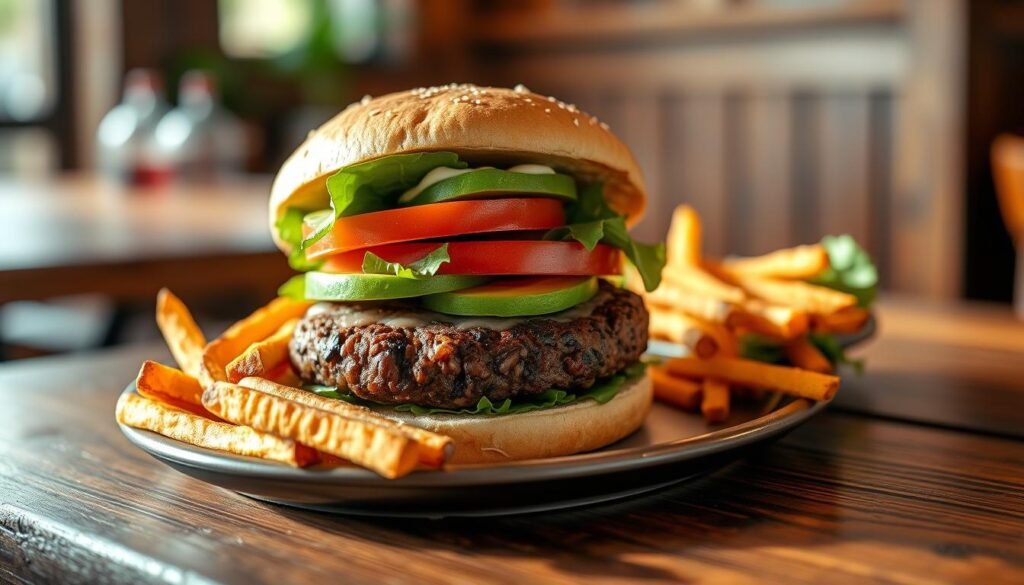
Southwestern black bean burger as a relative pick
The Southwestern black bean burger is the better choice among builds. It totals 740 calories, 74g carbs, and 1,780mg sodium. That is still substantial, but it beats many bacon-and-cheese combos.
How the patty alone changes the picture
The black bean patty alone drops to just 200 calories, 31g carbs, and 540mg sodium. Removing bun and rich toppings lets you build a much lighter plate.
When a curd bacon burger becomes a splurge
The cheese curd bacon burger is a top splurge: 1,210 calories, 50g carbs, and 2,790mg sodium. Saturated fat is very high, so treat it as an occasional treat.
- Build rule: choose one rich feature—cheese OR bacon OR a creamy sauce.
- Side swap: pick carrots/celery or a side salad instead of fries.
- Plant-forward note: bean burger options suit vegetarian-leaning diners, but check prep for strict vegan needs.
| Item | Calories | Carbs | Sodium |
|---|---|---|---|
| Southwestern black bean burger | 740 | 74g | 1,780mg |
| Black bean patty (alone) | 200 | 31g | 540mg |
| Cheese curd bacon burger | 1,210 | 50g | 2,790mg |
Next up: chicken sandwiches and bird dogs, where frying and toppings create similar calorie and sodium hotspots.
Chicken Sandwiches and “Bird Dogs”: Calories and Sodium Hotspots
Chicken sandwiches often behave like full comfort-food dinners when fried and piled with toppings. They look handheld but can match an entrée in calories and sodium.
Classic chicken sandwich snapshot
Classic chicken sandwich: 620 calories, 52g fat (20g sat fat), 98g carbs, 30g protein, and 1,220mg sodium. Use this to plan portions and swaps.
Why two loaded bird dogs plus fries become a hotspot
Two loaded bird dogs with fries hit about 1,020 calories, 52g fat, 21g sat fat, 60g carbs, 44g protein, and 2,980mg sodium. Toppings and fries push saturated fat and salt very quickly.
Best swaps and practical tips
- Ask for a grilled chicken breast when available to cut calories and carbs.
- Order sauces on the side for portion control; creamy garlic sauces add notable calories and sodium, so use them lightly.
- Try “half now, half later” to split a sandwich and halve the immediate intake.
- If fries are included, swap them for carrots/celery or split fries with the table.
| Item | Calories | Carbs | Notes |
|---|---|---|---|
| Classic chicken sandwich | 620 | 98g | High sodium; fried |
| Two loaded bird dogs + fries | 1,020 | 60g | Saturated fat and sodium spike |
| Grilled chicken swap | ~320 | ~10–20g | Lower calories and carbs |
Next: sides that support your goals and which ones act like a second entrée.
Sides That Support Your Goals: Fries vs Veggie-Forward Options
Sides act like menu dials—use them to tune calories, carbs, and sodium to your goals. Small swaps let you keep the main you want while trimming totals across the plate.
Carrots and celery sticks: the go-to add-on for balance
Carrots and celery sticks are the simplest swap for a fried side. One serving runs about 130 calories, 0g fat, 28g carbs, and 340mg sodium.
This choice gives crunch and volume with a much lower impact than creamy or fried options. Pair wings with sticks to reduce overall meal numbers.
Cheddar cheese curds with Southwestern ranch dressing: limit this splurge
Cheddar cheese curds served with Southwestern ranch dressing pack roughly 920 calories, 78g fat, 30g sat fat, 22g carbs, and 2,080mg sodium.
These curds act like an extra entrée. Share them, treat them as an appetizer, or skip other fried add-ons to keep totals reasonable.
- Quick pairing ideas: wings + carrots/celery sticks; tenders + side salad; burger + veggie side.
- Ranch dressing note: creamy dips spike calories, saturated fat, and dairy allergens—ask for a smaller portion.
| Item | Calories | Carbs | Notes |
|---|---|---|---|
| Carrots & celery sticks | 130 | 28g | Low-fat, lower sodium |
| Cheddar cheese curds + Southwestern ranch dressing | 920 | 22g | High calories, share or avoid |
| Fries (side) | — | — | Higher calories and fat than sticks |
Greens can help next, but remember: Caesar and ranch dressing often drive sodium and calories higher than expected.
Greens and Salads: Caesar, Cobb, and Dressing Decisions
A salad’s dressing and toppings usually decide if it’s a lighter option or a full indulgence. Salads here are often protein-rich and filling, but the dressing and add-ons make the difference.
Chicken Caesar snapshot
The chicken caesar salad with caesar dressing totals about 780 calories, 59g fat, 30g carbs, 33g protein, and roughly 2,700mg sodium. The caesar dressing is the major sodium driver.
Chopped Cobb snapshot
The chopped Cobb with ranch dressing runs about 860 calories, 71g fat, 14g carbs, 40g protein, and ~1,970mg sodium. Lower carbs but still high in fat and salt.
Smart swaps to cut sodium and carbs
- Skip croutons and garlic toast to save carbs and salt.
- Order dressing on the side or ask for oil + lemon or vinegar for a lighter finish.
- At the table, try the fork-dip method: dip bites instead of pouring dressing over the whole salad.
- Add grilled chicken for protein, but keep the dressing strategy to maintain balance.
| Item | Calories | Carbs | Sodium |
|---|---|---|---|
| Chicken Caesar (with caesar dressing) | 780 | 30g | 2,700mg |
| Chopped Cobb (with ranch dressing) | 860 | 14g | 1,970mg |
| Light swap (oil + lemon or vinegar) | ~350 | 5–10g | Lower |
Kids’ Meals: Smaller Portions, Still a Sodium Conversation
Kids’ portions aim to simplify dinner math, but sodium can still surprise parents. Smaller plates usually cut calories, yet cheese-based entrées and fries add salt quickly.
Kids traditional wings (plain): a smarter pick
The kids traditional wings (plain) option runs about 290 calories, 16g fat, 0g carbs, 35g protein, and only 105mg sodium when served without sauce or dry seasoning.
This works because plain pieces avoid added salt from sauces and flavored rubs.
Kids mac and cheese + fries: how totals add up
A kids mac and cheese (540 calories, 52g carbs, 1,130mg sodium) plus kids fries (420 calories, 78g carbs, 730mg sodium) totals roughly 906 calories and 1,860mg sodium.
That shows how quickly a simple kids’ plate can match an adult entrée in both calories and salt.
- Swap fries for carrot sticks or fruit to cut carbs and sodium.
- Choose water or milk instead of sugary drinks.
- If a child wants sauce, serve a tiny dipping cup and encourage light dipping.
- Plan kids’ entrées around any adult apps to avoid excess snacking.
| Item | Calories | Carbs | Sodium |
|---|---|---|---|
| Kids Traditional Wings (plain) | 290 | 0g | 105mg |
| Kids Mac & Cheese | 540 | 52g | 1,130mg |
| Kids Fries | 420 | 78g | 730mg |
Tip: Treat desserts and shared appetizers as extras. Portions are rich and best shared to keep overall numbers manageable.
Desserts: When to Share and What the Numbers Look Like
Sweet endings here are large and indulgent, so a sharing plan keeps totals reasonable.
Loaded ice cream snapshot
Loaded ice cream is a dense treat: 490 calories, 21g fat, 71g carbs, and 410mg sodium. It tastes sweet but still carries salt and saturated fat.
Chocolate fudge cake snapshot
The chocolate fudge cake is the biggest splurge. Expect about 780 calories, 33g fat, 115g carbs, and 740mg sodium. This one often outpaces other items on the list.
- Planning rule: if dessert is on the table, choose a simple entrée like plain or naked tenders and skip extra fries.
- Sharing strategy: split one dessert among 2–4 people to taste without taking the full calorie load.
- Allergen note: desserts commonly include dairy and eggs—ask your server if you have allergies.
| Item | Calories | Carbs | Sodium |
|---|---|---|---|
| Loaded Ice Cream | 490 | 71g | 410mg |
| Chocolate Fudge Cake | 780 | 115g | 740mg |
| Sharing tip (per person, split 3 ways) | ~160–260 | ~24–38g | ~137–247mg |
At Buffalo Wild Wings, desserts are best treated as communal treats. Choose zero-cal drinks or light cocktails to keep dessert from tipping your day’s totals.
Drinks and Cocktails: What Fits Best With a Lighter Order
Drinks set the stage: the right sip can free up calories for the food you actually want. Beverages are the easiest nutrition lever at the table. Choosing zero-cal options leaves room for a sauced plate or a small indulgence.
Zero-cal picks worth choosing
Water and unsweetened iced tea provide 0 calories. They add no carbs and let you enjoy richer items without increasing total meal calories.
Twisted Margarita: a planned treat
The Twisted Margarita is heavy: 390 calories, 66g carbs, and about 60g sugar. Treat it as a planned treat, not a free add-on.
- If you order a cocktail, keep the food simple—plain or naked protein or a salad with light dressing.
- Alternate a cocktail with water to pace intake during social nights.
- Don’t double up: avoid pairing a sugary cocktail with dessert unless you plan to share.
| Item | Calories | Carbs | Sugar |
|---|---|---|---|
| Water | 0 | 0g | 0g |
| Unsweetened Iced Tea | 0 | 0g | 0g |
| Twisted Margarita | 390 | 66g | 60g |
Pairing logic: when you pick a cocktail, aim for plain traditional pieces, naked tenders, or a light salad to manage overall calories and carbs. The next section outlines special-diet ordering for gluten-free, low-carb, diabetes-friendly, and vegan needs.
Special Diet Ordering Guide at Buffalo Wild Wings
Smart ordering for restricted diets starts with understanding cross-contact risks and simple swaps. The chain’s allergen guide stresses shared prep areas, so no items are certified gluten-free, vegetarian, or vegan. Ask staff about current procedures before ordering.
Gluten‑free choices
Pick the least‑breaded proteins: naked tenders and plain traditional pieces. Choose salads without croutons and swaps like carrots & celery.
Verify in‑store prep—cross‑contact can occur.
Low‑carb / keto
Opt for plain traditional pieces or naked tenders and dry seasonings. Skip sugar-heavy sauces and choose oil + vinegar or light dressings.
Low‑FODMAP, diabetes, low‑fat, and vegetarian notes
- Low‑FODMAP: plain pieces with salt vinegar dry seasoning often work better than garlic or onion sauces.
- Diabetes‑friendly: prioritize protein and veggie sides; avoid sweet BBQ and heavy dressings.
- Low‑fat: grilled chicken or a black bean patty with minimal dressing helps.
- Vegetarian/vegan: frying oil may contain beef shortening; cauliflower wings, fries, and chips may not be truly vegan.
| Item | Diet fit | Caution |
|---|---|---|
| Naked Tenders | gluten‑free option | High sodium; cross‑contact risk |
| Plain Traditional Pieces | keto / low‑carb | Avoid sauces to limit sodium |
| Cauliflower (appears plant‑based) | vegetarian‑possible | May be fried in shared oil with beef shortening |
Dip note: blue cheese and ranch dressing contain dairy/egg—ask for ingredient lists if you have allergies.
Build-Your-Order Templates for Common Goals Using the Wild Wings Menu
When you want a no-math order, these templates translate calories and carbs into easy choices. Each pick lists a core item, a side, and a drink so you can order fast and stay on track.
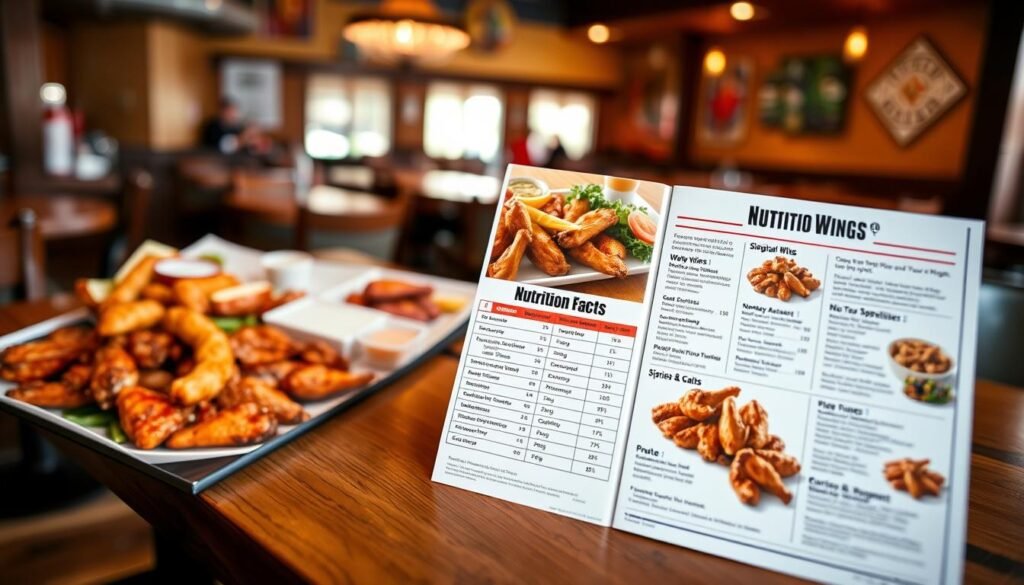
Lower-calorie template
Order: 3-piece naked tenders (160 calories) + carrots & celery (130 calories) + water or unsweetened iced tea.
Keep sauces minimal. Sodium can still be high, so ask for dips in a small cup.
Lower-carb template
Order: traditional wings (plain) + dry seasoning + salad (no croutons, dressing on the side).
This combo limits carbs while keeping protein high. Use seasoning sparingly to manage sodium.
Lower-sodium(ish) template
Order: plain traditional wings (no sauce, no dry seasoning) + carrots & celery.
This is one of the few realistic lower-sodium patterns when dining at Wild Wings; portion control matters.
Plant-forward template
Order: Southwestern black bean burger or black bean patty (200 calories alone) with veggie-forward sides and trimmed toppings.
Confirm prep methods if you follow strict vegetarian or vegan rules.
- Sauce rule: always request sauce on the side and use only what you need.
- Social ordering tip: if the table orders apps, treat them as your side and pick a smaller main.
| Template | Core Item | Approx Calories | Key Tip |
|---|---|---|---|
| Lower-calorie | Naked Tenders (3) | 160 + 130 side | Sauce minimal |
| Lower-carb | Traditional Wings (plain) | Low carbs | Dry seasoning, no croutons |
| Plant-forward | Black Bean Patty | ~200 (patty) | Control toppings |
Conclusion
A few small ordering moves will control most of the calories, carbs, and sodium on a table. Start with a plain protein, ask for sauce or dressing on the side, and pick a veggie-forward side to add volume without big numbers.
For lower sodium, plain traditional wings are the best starting point; boneless wings often bring higher carbs and salt depending on breading and flavor. Reserve one indulgence per meal—fries, extra cheese, or a rich appetizer—and balance the rest.
Watch BBQ and creamy dressings closely: they change totals fast. Use the nutrition information chart and the build-your-order templates before you order. Save this guide for your next game night so you can enjoy the food and still hit your goals with confidence.