Cracker Barrel Allergen Menu: Ingredients & Options
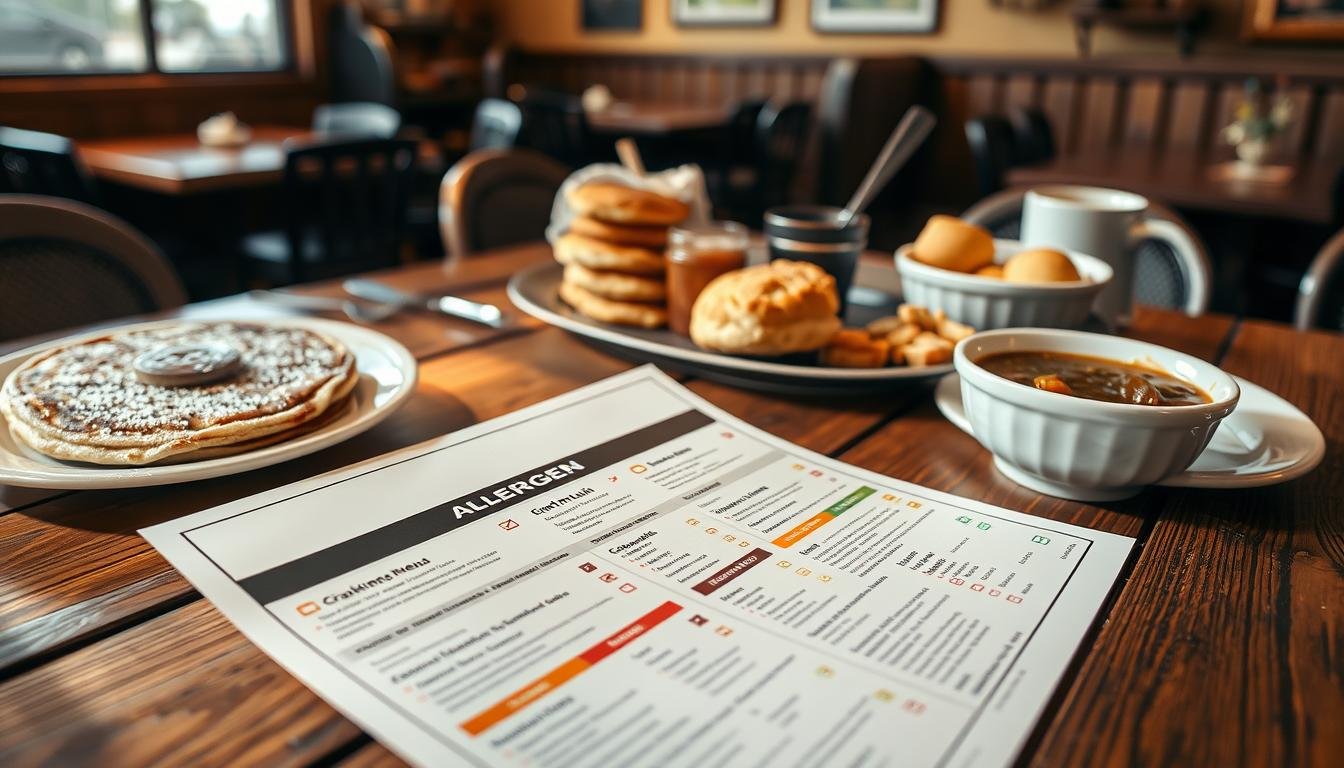
The cracker barrel allergen menu is a planning tool that helps you spot major allergens before you order. It lists common ingredients and flags items with top allergens so you can decide quickly.
This guide gives a clear answer: use the document to make safer choices, but it does not promise an allergen-free meal in a busy restaurant.
You will find simple steps to reduce risk, like choosing grilled proteins and verified sides. The article also covers shared-grill and shared-fryer risks, gravies, bread baskets, and butter variations by location.
Follow the step-by-step how-to for U.S. diners: check ingredients, ask focused questions at the table, and pick “simple builds” when possible. A short dietary breakdown will help you compare vegan, keto, and gluten-free-style options alongside top allergens.
Use this section to plan, then confirm with staff. That approach makes dining out clearer and safer while keeping meals tasty and fitting your needs.
What the allergen menu can and can’t do for you in the United States
A chain’s ingredient guide is a useful starting point, but it has clear limits in busy kitchens.
What it can do: The chart lists common allergens tied to recipes so you can narrow choices before ordering. It shows named ingredients and flags items with known risks.
What it can’t do: It cannot control cross-contact from shared spatulas, grills, fryers, or prep stations. Comfort-style cooking—griddles, breading, creamy sides, and heavy gravies—increases exposure.
Practical steps
- Treat the guide as a starting point and verify ingredients with staff.
- Ask about shared equipment and recent supplier changes that affect dairy, soy, or wheat.
- When risk is higher, keep orders simple and avoid fried or breaded items.
| Feature | Shows | Limits | Action |
|---|---|---|---|
| Ingredient list | Declared ingredients | Not real-time for every location | Ask staff to confirm local ingredients |
| Allergen flags | Top allergens marked | Can’t prevent cross-contact | Request separate prep when possible |
| Cooking notes | Typical methods listed | Actual cooking practices vary | Verify grill and fryer use |
Where to find Cracker Barrel’s official nutrition and allergen information online
Begin by using the online Nutrition & Allergens tool to find current ingredient lists and flagged items. The company’s web tool lets you filter by common risks and by diets such as Vegetarian, Pescatarian, and Vegan.
Use filters to hide items flagged for milk, eggs, wheat, soy, fish, or shellfish. Combine filters when you need to screen multiple concerns at once. That speeds up planning for groups with different needs.
- Search the site for “Nutrition & Allergens” from the restaurant footer or site search.
- Apply allergen and diet filters to narrow the visible menu quickly.
- Take screenshots or note exact item names so you can confirm details with staff.
| Feature | What it shows | Quick tip |
|---|---|---|
| Allergen filters | Flags items with specific risks | Combine filters to narrow choices |
| Diet filters | Shows Vegetarian, Vegan, Pescatarian options | Use when planning swaps |
| Ingredient lists | Detailed components per dish | Screenshot current items before you go |
Digital guides update faster than printed copies, so rely on the site for the latest information. Filters help a lot, but cross-contact notes still require asking staff when you order. This sets up the next section on reading the allergen menu like a pro.
How to read the cracker barrel allergen menu like a pro
Learn to read the line-by-line allergen indicators so you can pick safer options at a glance. Start by finding the short allergen tags beside each dish. That quick scan shows the top risks without reading every ingredient.
Understanding top allergens listed for each menu item
Look for the small list of common allergens on each entry. These tags call out milk, eggs, wheat, soy, fish, and nuts when present.
Pro tip: Treat any heavily sauced or breaded item as higher risk and confirm cooking methods with staff.
How to interpret “may contain” and cross-contact warnings
“May contain” usually points to cross-contact, not a deliberate ingredient. That matters for severe reactions.
Ask whether fryers, griddles, or prep stations are shared. If they are, choose simpler builds or request separate prep when possible.
Wheat-free vs gluten-free: what is actually provided
Cracker Barrel provides wheat-free listings but not a certified gluten-free kitchen. Third-party notes warn there is no dedicated gluten-free prep area.
If gluten sensitivity is severe, confirm local practices before ordering.
Spotting hidden milk, eggs, and soy sources
- Milk can hide in butter on the grill, gravies, creamy sauces, and toppings.
- Eggs appear in batters, mayo-based sauces, and baked goods—always verify sauces and spreads.
- Soy often shows up via soybean oil used for frying, fryer oil blends, and processed seasonings.
| Risk | Where to check | Action |
|---|---|---|
| Milk | Grill butter, gravies, sauces | Ask for no butter; confirm gravy ingredients |
| Eggs | Batter, sauces, baked sides | Verify sauces; skip baked items if unsure |
| Soy | Fryer oil, seasoning blends | Ask what oil is used and if fryers are shared |
Prevent cross-contamination by ordering the right way
Order with intent: the right questions at the table cut cross-contact risk. Use a short script to state your allergy and the strictness you need. That helps servers and cooks respond clearly and quickly.
What to ask your server and when to request a manager
Say “I have a severe allergy to [ingredient]. Please note this as an allergy, not a preference.” Ask if the kitchen can use a clean pan, fresh gloves, and separate utensils. If answers are vague, request a manager to confirm procedures.
Grill and fryer realities
Many locations use shared grills and fryers. That means items may touch the same surface or oil. When possible, choose plainly cooked items and ask where they are prepared in the kitchen.
Frying oil notes and butter questions
Ask whether the fryer uses soybean oil and whether the grill gets butter or margarine. Soybean oil can cause exposure even when soy isn’t listed in a recipe. Make sure the server records “allergy” so the kitchen follows protocols.
| Ask | Why | Action |
|---|---|---|
| Clean pan/utensils | Avoid cross-contact | Request separate prep |
| Butter or margarine | May contain dairy | Ask for no butter |
| Type of oil | Soybean oil flags soy | Ask if fryer oil is shared |
Watch-outs that commonly trigger reactions at Cracker Barrel
Small prep choices can change whether a dish is safe for people avoiding milk. Know the common traps so you can pick a clearer option quickly.
Butter vs margarine
Some locations use dairy-free margarine for many items, but others still use real butter on the grill or on vegetables. Always ask whether the kitchen applies butter to cooking surfaces or toppings.
Gravies and soups
Sources report that gravies contain milk and often use wheat thickeners. Current soups also list milk in their ingredients, so soups are a frequent auto-skip for dairy avoidance.
Breakfast bread traps
All pancakes French and French toast contain milk and are cooked on shared griddles. Biscuits, buns, and sandwich bread can include milk too, including burger and chicken buns.
- Treat battered, breaded, or gravy-based items as higher risk.
- Pivot to grilled, plain proteins and simple sides you can verify.
| Risk | Why | Action |
|---|---|---|
| butter | Used on grills and sides | Request no butter; confirm margarine type |
| milk in gravies/soups | All gravies and current soups list milk | Avoid or ask for ingredient verification |
| pancakes french and buns | Contain milk and share cook surfaces | Choose plain grilled items instead |
Focus on simple ingredients and a clear prep request. The best option is the one you can confirm fast: minimal sauces, no batter, and separate prep when possible.
How to build a safer breakfast using allergen-friendly swaps
Start breakfast planning with simple swaps that cut hidden dairy risks and keep flavors intact. Focus on plain cooking and clear instructions so staff can follow your request easily.
Eggs made to order: Ask for eggs cooked in a clean pan with oil instead of butter. Say, “eggs, no butter, please,” and confirm the cook will use a fresh surface.
Protein picks: Safer breakfast options include thick-sliced bacon, turkey sausage, sugar-cured ham, country ham, and grilled chicken tenders. Verify seasoning and that the items aren’t finished with milk-based glazes.
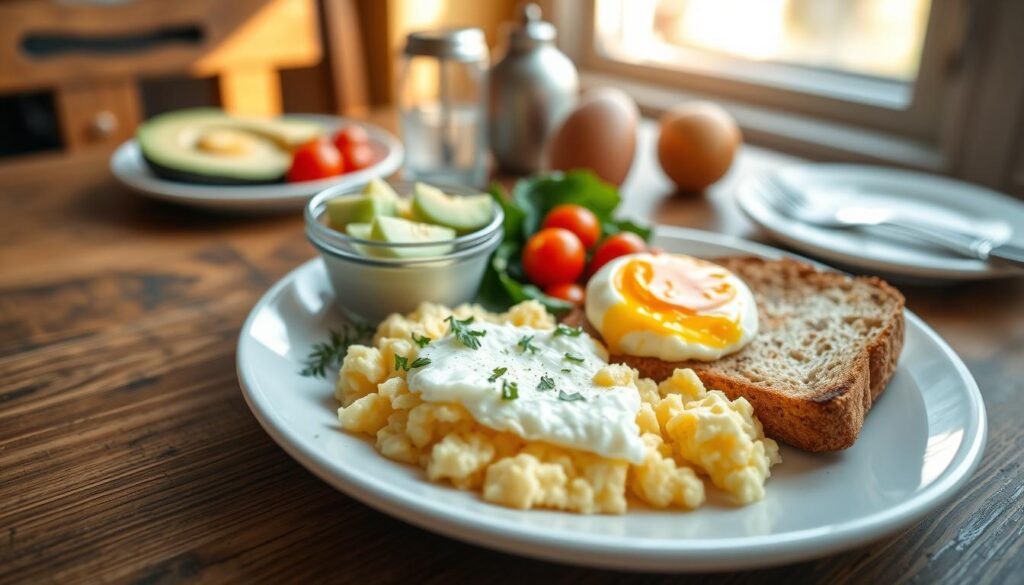
Sides and swaps: Choose fruit, tomato slices, or plain hash-free potatoes when unsure. Ask whether grits or toast include butter or milk. Toast substitutions like sourdough or multigrain may be available—confirm first.
What to skip: Avoid hashbrown casserole and any plated butter that comes automatically. Also skip gravies and creamy sides unless ingredients are confirmed dairy-free.
- Order language: “No butter, no biscuit/toast, no gravy, and please confirm the grill surface.”
- Confirm ingredients and surface use before the meal is made.
| Item | Price | Calories | Options (Vegan/Keto/Gluten-Free) | Allergens |
|---|---|---|---|---|
| Eggs (no butter) | Varies | 140–220 | Keto possible | Eggs |
| Grilled chicken tenders | Varies | 180–300 | High-protein | Chicken |
| Fruit cup | Varies | 60–120 | Vegan | None typical |
How to choose lunch and dinner entrees with simpler ingredients
Start lunch or dinner with a straightforward protein to limit sauces and surprises. Grilled meats often use fewer ingredients and make it easier to confirm what touches your food.
Grilled protein priorities
Grilled chicken tenderloins are a go-to. Prep is usually simple and clear.
Ask whether the grill uses butter or margarine and what seasoning blends are added.
Seafood to request
Lemon pepper grilled rainbow trout is a clean option. Confirm no basting with butter or shared grill oil.
Beef and pork picks
Choose roast beef, grilled sirloin steak, or a plain grilled pork chop without bread. Ask to skip gravy and finishing sauces.
Bun and sandwich notes
Buns often include milk. Request a bunless order or a verified bread substitute to avoid hidden dairy.
- Quick tips: Pick plain proteins, skip gravies, and confirm grill fat.
- Sample estimates below are for planning only.
| Item | Price | Calories | Vegan/Keto/Gluten-Free Options | Allergens |
|---|---|---|---|---|
| Grilled Chicken Tenderloins | $12.99 | 270 | Keto | None typical (confirm oil) |
| Lemon Pepper Grilled Rainbow Trout | $14.99 | 260 | Gluten-free possible | Fish |
| Grilled Sirloin Steak (plain) | $16.99 | 380 | Keto | Beef |
| Plain Grilled Pork Chop | $14.99 | 320 | Keto | Pork |
| Roast Beef (no gravy) | $13.99 | 330 | Gluten-free possible | Beef |
Sides strategy: creating a full meal from vegetables and classics
Choose sides deliberately: the Country Vegetable Plate helps you turn simple vegetables into a full, safer meal. Build-your-own plates let you control finishes, fats, and seasoning so hidden ingredients are easier to avoid.
Country Vegetable Plate: how to choose sides that fit your allergen needs
The country vegetable plate is best when you pick items that are naturally plain: steamed broccoli, baked potato, fruit, or plain corn. Ask servers to confirm finishing fats and to skip butter or gravy.
Popular vegetable sides to verify
Double-check items like turnip greens and green beans. These sides often get cooked with ham, bacon drippings, or butter at some locations.
Beans, greens, and regional prep differences
Ask exact questions: “Are the pinto beans or turnip greens cooked with bacon grease, lard, ham, or broth?” Regional prep can change exposure even when the name stays the same.
- Pick one hearty item (baked potato) + two lighter vegetables for balance.
- Request “no butter” and confirm separate prep when possible.
- Prefer plainly cooked vegetables to reduce surprises.
| Item | Price | Calories | Vegan/Keto/Gluten-Free | Allergens |
|---|---|---|---|---|
| Country Vegetable Plate (build) | $8.99 | Varies | Vegan possible | Depends on fats |
| Turnip Greens | $2.99 | 90 | May be vegan | Cooked with meat/fat |
| Pinto Beans | $2.49 | 120 | Vegan possible | May contain pork broth |
Salads, dressings, and toppings: how to keep ingredients clean
Start salads by stripping back extras so you can control what touches your plate. Begin with a leafy base and choose a simple protein. That reduces the number of unknown ingredients that can cause problems.
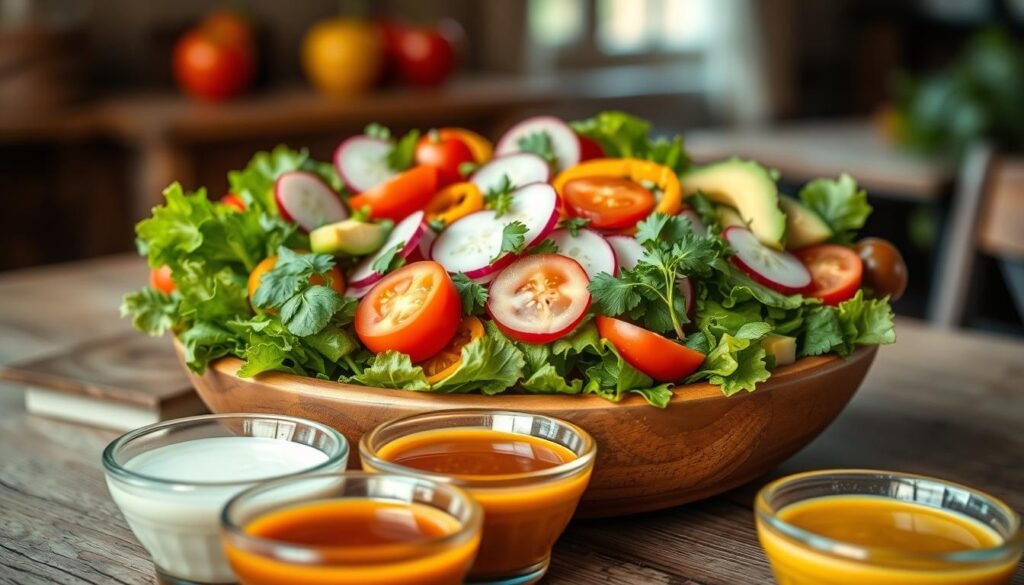
Ordering a grilled chicken salad without cheese
Ask for the Homestyle Grilled Chicken Salad or House Salad with no cheese. Say “no cheese” clearly and request the chicken be cooked without butter.
Confirm the cook will use a clean pan or separate grill area. That lowers cross-contact risk from dairy finishes.
Dairy-free dressing choices to request
- Balsamic Vinaigrette — usually dairy-free and a safe starting option.
- Honey Mustard — often listed as dairy-free; verify locally.
- Always ask for dressings on the side so you control how much touches the salad.
Croutons and crunchy add-ons to double-check
Roasted garlic croutons have been reported dairy-free by some locations, but confirm their status where you dine. Croutons and bacon bits are common surprises.
If wheat cross-contact is a concern, skip croutons and choose tomato, cucumber, or fruit instead.
| Item | Price | Calories | Vegan/Keto/Gluten-Free Options | Allergens |
|---|---|---|---|---|
| Homestyle Grilled Chicken Salad (no cheese) | $10.99 | 420 | Keto possible (no croutons) | Chicken; verify cooking fat for milk |
| House Side Salad (dressing on side) | $4.99 | 90 | Vegan possible (choose vinaigrette) | Depends on dressing; croutons may contain wheat |
| Dressing: Balsamic Vinaigrette (side) | $0.00 | 60 (per 2 tbsp) | Vegan | Check for hidden milk |
Sauces, extras, and “small ingredients” that can make or break a safe meal
Small add-ons often hide big risks—sauces and syrups can change a safe plate into a risky one. Sauces, glazes, and syrups commonly include milk, egg emulsifiers, or soy-based ingredients. That makes extras a frequent source of exposure.
Dairy-free dipping sauces commonly listed as safer options
Commonly listed dairy-free sauces include BBQ Sauce, Carolina Gold BBQ Sauce, Honey Mustard, Maple Chipotle Sauce, and Nashville Hot Sauce. Verify locally: recipes vary by location and can change.
Syrups and sweet add-ins to verify
Watch syrups closely. Butter pecan syrup has been reported to contain milk and should be avoided if you need dairy-free choices.
- Sauce strategy: pick one verified safe sauce and ask for it on the side.
- Avoid mystery drizzles, flavored butters, and finishing glazes unless confirmed.
- Remember that frying oil—often soybean oil—can affect soy-sensitive diners even when items aren’t fried.
| Item | Why it matters | Action |
|---|---|---|
| BBQ / Carolina Gold | Often dairy-free but may contain sugar-based glazes | Confirm ingredients; request on side |
| Honey Mustard / Maple Chipotle | Usually egg or vinegar-based; check for hidden milk | Ask server; get side container |
| Butter Pecan Syrup | Contains milk per source notes | Avoid; choose plain syrup |
| Frying Oil | Soybean oil can affect soy-sensitive guests | Ask if separate oil is used or avoid fried items |
Dairy-free and vegan ordering at Cracker Barrel without guesswork
A few well-chosen side items make vegan dining far less guesswork at Cracker Barrel. Focus on plain, whole-food sides and confirm cooking fats to reduce hidden milk or butter exposure.
Vegan breads and cross-contact checks
Sourdough and multigrain toast may be dairy-free at many locations. Ask about ingredient lists and whether the toaster or griddle is shared with buttered items.
Easy vegan-friendly meal builds
Build a plate from a baked potato (no butter or toppings), steamed broccoli, corn, fruit, or fried apples. These items are simpler to verify and swap as needed.
Confirming beans and turnip greens
Always ask: “Are the pinto beans or turnip greens cooked with bacon grease, lard, ham, or pork broth?” If the answer is unclear, choose other sides or request a manager confirmation.
Desserts and coffee expectations
Most fresh desserts contain dairy. Look for sealed, prepackaged dairy-free treats if available. For coffee, chain-wide dairy-free milk alternatives are not guaranteed, so plan to order black or bring a personal alternative.
- Quick tactic: State “no butter, no gravy, separate prep” when ordering to reduce cross-contact risk.
- Prefer plainly cooked vegetables and single-ingredient sides for the clearest option set.
| Item | Price | Calories | Vegan/Keto/Gluten-Free Options / Allergens |
|---|---|---|---|
| Baked Potato (plain) | $3.49 | 160 | Vegan possible (no butter/sour cream); check for cross-contact with cheese |
| Steamed Broccoli | $2.99 | 55 | Vegan possible; verify no butter finish |
| Pinto Beans | $2.49 | 120 | May be vegan; ask about pork/bacon use |
| Fruit Cup | $2.99 | 70 | Vegan; typically allergen-free |
Conclusion
Treat the barrel allergen menu as a planning map, then validate specifics in person at your location. Use the digital guide to narrow choices, note exact item names, and screenshot any ingredient lists before you go.
Prioritize grilled, minimally processed proteins and verified sides. Ask for sauces on the side and skip battered or heavily sauced dishes to reduce cross-contact risk.
Remember: wheat-free listings are not the same as certified gluten-free. Cross-contact can happen on shared grills, fryers, and prep stations, so confirm practices if you have strict needs.
When in doubt, tell your server it is an allergy, not a preference, and involve a manager for firm answers. The allergen menu improves confidence, but your best protection is a clear, simple order plus on-site confirmation—check the digital tool before every visit.