Arby’s Menu Calories: Detailed Nutrition Facts & Prices
Looking up arby’s menu calories before ordering? This quick plan-your-meal cheat sheet gives clear calorie counts, nutrition notes, and price expectations so you can decide fast at the drive-thru.
This guide lists popular items by category with published calorie numbers and practical tips to keep totals in check. It flags sodium and other nutrition concerns and points out when sides or shakes can match an entrée in energy.
What to expect: a category-by-category list, local-ready “Price” column for easy updates, and scannable callouts like “best picks” versus “skip most often.” You’ll also find quick swaps to lower fat, sugar, or sodium.
This is a practical, reader-friendly resource built from published nutrition facts and expert-style notes. It is not medical advice, but it will help you enjoy roast beef, fries, and sauces with more confidence and clearer choices.
How this Arby menu guide helps you count calories and compare prices
Quickly compare energy totals and local prices to plan an order that fits your goals.
This section defines key terms and gives a simple, repeatable plan so you can order with fewer surprises.
What “calories” and “nutrition facts” mean (and why sodium matters)
“Calories” are a quick estimate of how much energy each item gives you. Use that number to compare sandwiches, sides, desserts, and drinks.
“Nutrition facts” list calories, fat, saturated fat, carbs, sugar, protein, and sodium. Sodium can spike fast in fast food. Some items can exceed a full day’s 2,300 mg limit, so add vegetables or choose lower‑sodium combos when possible.
Portion sizes and the order‑build method
Portion changes matter: Curly Fries jump from snack (250) to large (650). Shakes and floats add hundreds when you size up.
- Pick the main first.
- Choose the lowest‑impact side.
- Limit sauces and stick to low‑calorie drinks.
| Item | Size | Calories |
|---|---|---|
| Curly Fries | Snack | 250 |
| Curly Fries | Large | 650 |
| Vanilla Shake | Small vs Large | adds 250–630 |
For price checks, compare local app listings to this guide: decide by calories first, then cost. Next, the article breaks down items by category with published nutrition facts and common choices.
arby’s menu calories by category: most-ordered items with nutrition facts
Use the quick category list below to scan popular entrées, sides, sauces, and drinks so you can build a balanced order fast. The short H3 blocks show key numbers and quick comparisons to help you decide.
Roast beef favorites and cheddar classics
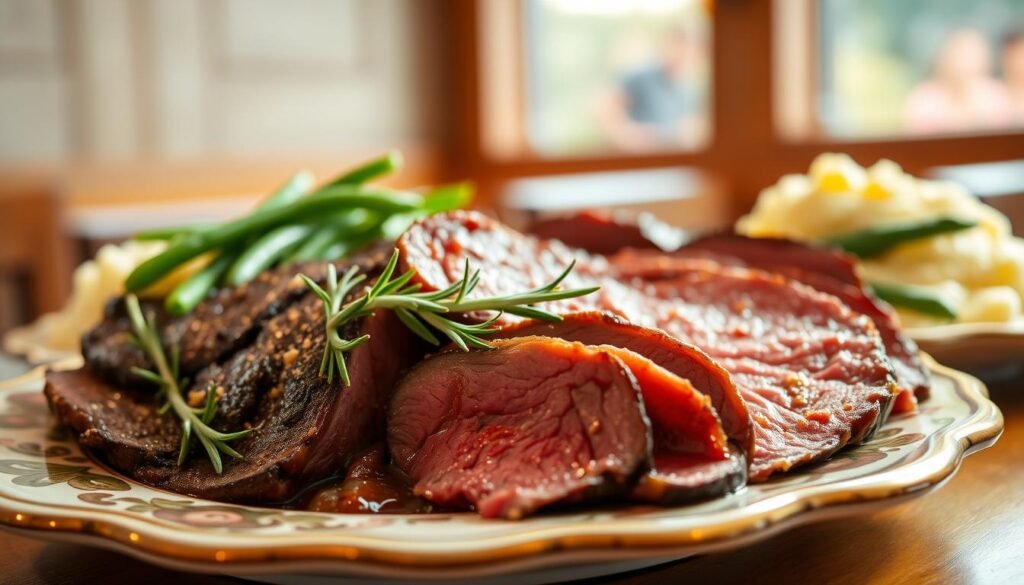
Classic Roast Beef (360) sits well under the Beef ’n Cheddar (450) and the Half Pound Roast Beef (610). Extra meat or cheese adds hundreds of energy units fast.
French dip and Swiss picks
French Dip (391) is the lighter dip baseline. Add Swiss and you jump to 540, and the half‑pound Swiss version reaches about 750.
Gyros, wraps, and Market Fresh-style builds
Roast Beef Gyro (540) and Greek Gyro (700) are hearty. Watch the Crispy Chicken Club Wrap (880) — it can top an entrée in energy.
Chicken sandwiches and tenders
Buttermilk Crispy Chicken (550) and Prime-Cut Tenders 3-piece (360) offer different tradeoffs. A 5-piece tender order (723) is a larger plate choice.
- Sides & sauces matter: Curly Fries snack 250 / small 410; Arby’s Sauce 15 vs Buttermilk Ranch 210.
- Salad path: Side Salad 70 or Santa Fe Salad w/ Grilled Chicken 305 for lighter builds.
| Item | Price | Calories | Diet | Allergens |
|---|---|---|---|---|
| Classic Roast Beef | Varies by location (check local app) | 360 | Not vegan | Dairy, Wheat |
| Beef ’n Cheddar | Varies by location (check local app) | 450 | Not vegan | Dairy, Wheat |
| Crispy Chicken Club Wrap | Varies by location (check local app) | 880 | Not keto | Wheat, Egg, Dairy |
| Side Salad | Varies by location (check local app) | 70 | Vegetarian option | Depends on dressing |
| Vanilla Shake (large) | Varies by location (check local app) | 630 | Not vegan | Dairy |
How to use this list: pick one entrée, one side, one dipping sauce (or skip), and one drink. That quick formula helps you stay within your energy target while enjoying favorites.
Best lower-calorie choices (and what to skip most often)
Smart ordering starts with a few lower‑calorie building blocks you can mix and match. Pick one satisfying entrée, add volume with greens, keep fries small, and choose water to avoid drink energy.
Most nutritious picks
- Classic roast beef — 360 calories; a protein-forward choice that keeps portions reasonable.
- Side salad — 70 calories; adds fiber and bulk with minimal energy.
- Snack Curly Fries — 250 calories; a shareable treat that limits fat compared with large sizes.
- Bottled water — 0 calories; the easiest swap to cut sugar and extra energy.
Patterns to limit
- Large shakes (vanilla, chocolate) and floats like root beer raise sugar and total quickly.
- Loaded fries, extra bacon or cheese, and half pound sandwiches are common ways totals balloon.
| Item | Calories | Notes |
|---|---|---|
| Classic Roast Beef | 360 | Lean protein base |
| Side Salad | 70 | Add before upsizing fries |
| Snack Curly Fries | 250 | Keep as the single indulgence |
| Bottled Water | 0 | Skip sugary drinks |
Tip: If you’re still hungry, add the side salad rather than upsizing fries or stacking extra sauce. Limiting cheese and bacon is one of the fastest ways to lower sodium and energy per typical nutrition facts.
Simple swaps to cut calories, sugar, and sodium without changing where you eat
A few simple swaps let you lower sugar, fat, and sodium while keeping the flavors you like. These moves focus on customization and portion control so you still enjoy a satisfying sandwich or chicken order.
Customize your sandwich
Ask for less cheese or hold it entirely to save fat and sodium. Skip bacon or use just one strip to cut big energy and salt hits.
Request sauces on the side so you control how much you use. Another easy trick is to remove half the bun to lower refined carbs without losing the sandwich filling.
Downsize sides and sauces
Choose snack-size fries and avoid automatic upsizes. For dipping, prefer lighter options; creamy ranch adds much more than a tangy thin sauce.
| Item | Typical energy | Quick tip |
|---|---|---|
| Arby’s Sauce | 15 | Low-impact dipping |
| Horsey Sauce | 50 | Use sparingly |
| Buttermilk Ranch | 210 | Skip or side-serve |
Choose beverages wisely
Pick bottled water or unsweet iced tea to avoid a large jump in sugar and energy. A root beer float or large shake can add hundreds compared with water.
- Customize-first playbook: less cheese, skip bacon, sauce on the side.
- One-indulgence rule: fries or dessert — not both.
- Chicken orders: if you choose crispy chicken or tenders, keep sides small and avoid creamy dipping sauces.
Order examples you can copy: “Classic Roast Beef + Side Salad + Arby’s Sauce + Bottled Water” versus “Half Pound + Large Fries + Buttermilk Ranch + Root Beer Float” to see the nutrition facts difference at a glance.
Special diet notes when tracking Arby’s calories
If you follow a special diet, small prep details and shared equipment can change how an item fits your plan. Check ingredient lists, but also ask staff about handling before ordering.
Gluten-free and cross-contact reminders
Buns contain gluten, so most sandwiches are not safe unless you remove the bun and confirm prep. Some roast turkey and sliced meats may be gluten-free by ingredients, but shared grills and fryers create cross-contact risk.
Crinkle fries and other fried items can touch the same oil as breaded foods. Always tell staff about allergies and request separate handling when possible.
Vegetarian-leaning options and desserts
Vegetarian-leaning items often include mozzarella sticks, jalapeño bites, curly fries, and shakes (vanilla and chocolate). Desserts like a cherry turnover or cookies (salted caramel & chocolate) fit too, but they add energy quickly.
- Tip: Sauces and dipping choices can add protein or lots of fat — turkey ranch and creamy dips raise totals fast.
- Review published nutrition facts and facts sheets online, and ask local staff about preparation to keep tracking accurate.
| Item | Typical energy | Allergens |
|---|---|---|
| Side salad | Low | Varies by dressing |
| Curly fries | Moderate | Fryer cross-contact |
| Vanilla shake | High | Dairy |
Conclusion
Close your meal strategy with one clear rule: pick a satisfying sandwich, keep sides small, and choose a low‑impact drink.
Best simple order: Classic Roast Beef (360) + Side Salad (70) + Snack Curly Fries (250) + Bottled Water (0). It balances flavor and nutrition.
Watch for big jumps from upsizing: Half Pound builds, large fries, and large shakes or root beer floats (≈630) add hundreds fast. Cheese, bacon, and creamy dipping sauces drive more of the extra energy.
French Dip (391) is lighter than French Dip & Swiss (540); the half pound Swiss version nears 750. If you want dessert, pick one treat—like a Cherry Turnover (390)—and keep the rest simple.
Quick tip: use the tables and swaps here, and check local menu for prices and availability before ordering.