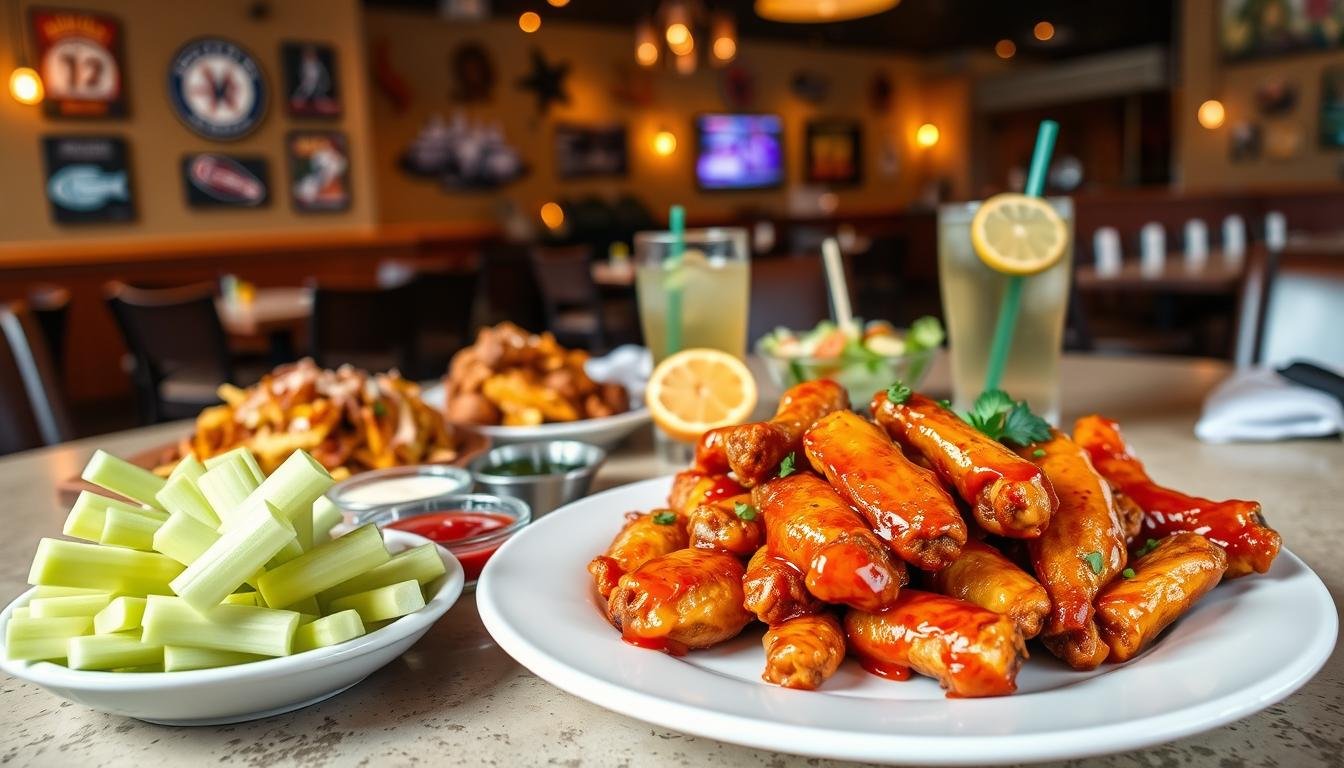
Buffalo Wild Wings Gluten Free Menu: Options & Nutrition
If you want the Buffalo Wild Wings gluten free menu without guesswork, this guide maps out the safest starting orders, sauce picks, and what to skip. It gives a short, clear answer: bone-in traditional wings are generally the safest by ingredient, while breaded and boneless items pose the biggest cross-contact risk.
The restaurant lists many items as “gluten-free friendly,” but it does not run a dedicated gluten-free kitchen. Shared fryers, grills, and saucing bowls mean exposure can happen even when ingredients look safe.
This article is organized so you can scan fast: what to know, safest core orders, wings and sauces, apps, avoid list, dips and dressings, nutrition and prices, and how to order. You will learn which sauces are lower risk and why handling matters.
Big takeaway: start with traditional bone-in orders, confirm location practices, and use official allergen resources to check nutrition and price for your store. By the end you’ll know what questions to ask and how to order with confidence.
What to Know Before Ordering Gluten-Free at Buffalo Wild Wings
A product can be free of wheat ingredients yet face cross-contact from shared equipment in busy kitchens. This section helps you weigh ingredient labels against handling practices so you can make an informed choice.
Why “gluten-free” and “gluten-friendly” mean different things
Gluten-free usually means no gluten ingredients are listed. Gluten-friendly signals that ingredients may be safe, but the location acknowledges shared equipment and potential cross-contact.
How cross-contamination happens
Shared fryers, grills, saucing bowls, and tongs create the main cross-contamination points. Even careful staff can transfer particles when tools or oil are shared.
Key operational risks and a quick checklist
- High risk: shared fryers used for breaded items.
- High risk: shared mixing and saucing bowls.
- High risk: tongs or gloves used across different items.
| Point | Why it matters | Ask to verify |
|---|---|---|
| Fryer | Oil transfers crumbs and proteins | Is there a dedicated fryer for traditional wings? |
| Saucing | Shared bowls spread sauces | Can sauces be applied separately? |
| Prep surfaces | Cross-contact during assembly | Will staff use clean gloves and utensils? |
If you have celiac disease or severe reactions, this guide recommends extra caution. Ask the manager the verification checklist questions, and trust your comfort when deciding to dine in or skip this restaurant.
buffalo wild wings gluten free menu: The Safest Orders to Start With
Pick simple, low-handling items first to reduce cross-contact and speed up your order. This helps you eat confidently on a busy game night.
Traditional bone-in wings: the best core option (and what makes them different)
Traditional wings are usually the only wing style without a wheat-based batter. That ingredient difference makes them the most reliable core item by ingredient.
Still, confirm whether the location uses a dedicated fryer. That detail determines real-world risk.
Naked tenders and grilled chicken: when they work and what to double-check
Naked tenders and grilled chicken can be safe by ingredient. Ask that the chicken is grilled or roasted without breading. Request clean tongs and a glove change while ordering.
Simple sides that can fit gluten-free needs
Fresh carrots and celery usually list safe by ingredient. Chili is a warm, filling option but ask about shared ladles and scoops.
- Starter order template: traditional wings + celery + confirmed gluten free dip.
| Item | Why it works | What to ask |
|---|---|---|
| Traditional wings | No batter listed by ingredient | Separate fryer or dedicated prep? |
| Naked tenders | Grilled without breading | Cook method and clean tools? |
| Carrots & celery | Fresh, low handling | Clean utensils for serving? |
Next section breaks down sauces, dry rubs, and which flavors are safer to request.
Gluten-Free Wings at BWW: Traditional Wings, Sauces, and Dry Rubs
For safer orders, treat the wing style and the sauce as one combined choice.
Traditional wings are the baseline option by ingredient. They are not breaded like boneless or hand-breaded items, which typically contain wheat. That makes traditional wings a better starting point when you worry about gluten.
Safer sauce and seasoning picks to ask for
Several sauce options list as safer by ingredient. Ask for Lemon Pepper, Original Buffalo, Honey BBQ, or Spicy Garlic.
Also request a simple pepper dry or toasted dry rub if available. Recipes can change, so confirm the ingredient list at your location.
Sauces to be cautious with
Be wary of Asian-inspired glazes and thickened sauces. These often use soy or wheat thickeners and can contain hidden gluten.
How cross-contact happens and how to reduce risk
Cross-contamination happens when wings are tossed in shared saucing bowls, handled with the same tongs, or sauced at a common station after breaded items.
- Ask for a separate saucing container or bag.
- Request clean tongs and fresh gloves.
- Ask staff to add an allergy note on the ticket.
| Item | Why it matters | What to ask |
|---|---|---|
| Traditional wings | No batter listed by ingredient | Separate fryer or dedicated prep? |
| sauces | Can contain hidden wheat | Show ingredient list; avoid Asian glazes |
| Handling | Main cross-contact source | Clean tools and allergy note |
Apps and Shareables That Can Work (With Substitutions)
The following apps and shareables are possible, but they are verification-heavy. Ingredients like chips, cheese, and chicken may be safe by label. The real question is how the restaurant handles fryers and prep stations.
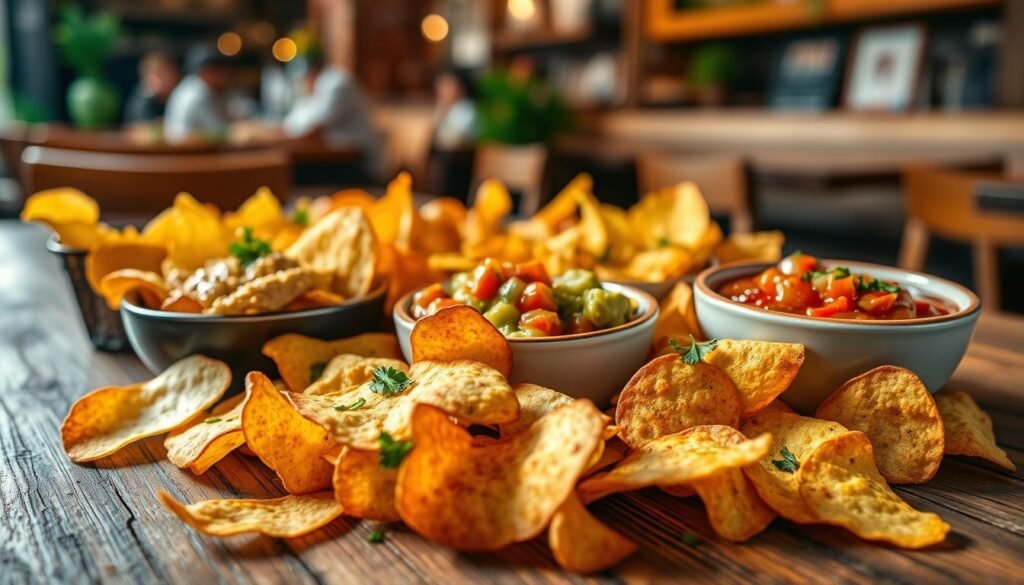
Ultimate nachos with chicken: what’s typically safe and what’s not
Typical safe components include tortilla chips, shredded cheese, beans, pico, and cooked chicken.
Risk points are shared prep surfaces, scoops, and chip oil. Ask how the chicken is handled and if chips are fried in shared oil.
Chips, queso, guacamole, and safer swaps
Dips like queso, salsa, and guac often list safe ingredients. The real problem is the chips. If chips share fryer oil with breaded items, cross-contamination can occur.
- Ask for veggie dippers (carrots, celery) instead of chips.
- Request dips served with clean ladles and separate containers.
Fries and tots: potato items and fryer setup
Fries and tots are potatoes and are naturally gluten free by ingredient. Treat them as safe only after confirming a dedicated fryer or protected process.
| Item | Why it works | Ask |
|---|---|---|
| Ultimate Nachos (chicken) | Chips + toppings usually safe | Are chips fried separately? |
| Chips & Queso | Dips often safe; chips can carry risk | Can dips come with veggie dippers? |
| Fries / Tots | Potatoes are safe by ingredient | Separate fryer or protected process? |
Buyer’s-guide lines to use: “Can you do fresh chips/fries in a separate fryer?” and “Can you bring dips with clean ladles?” Keep shareables simple and limit how many stations touch your food to lower cross-contamination risk.
Menu Items to Avoid on a Gluten-Free Diet at Buffalo Wild Wings
When you need a quick avoid list, focus on items that start with batter, breading, a bun, or a tortilla. Those are the highest-risk foods on the restaurant’s offerings and are likely to contain gluten by design.
Hard no: boneless wings, hand-breaded tenders, and cauliflower wings. These items use a wheat-based batter and are cooked alongside other breaded foods in shared oil. That combination creates a high cross-contact risk for anyone with celiac disease or serious sensitivity.
Burgers, sandwiches, wraps, and tacos typically come on wheat buns or tortillas. The chain does not offer a guaranteed gluten-free bun or tortilla substitute, so these items are unsafe unless you bring your own substitute or skip the bread entirely.
Salads can be misleading. Croutons, crispy or breaded chicken, and tortilla strips often add hidden gluten. Customization may help, but shared prep surfaces and utensils still create risk.
- Avoid: boneless wings, hand-breaded tenders, cauliflower wings.
- Avoid: burgers, sandwiches, wraps, street tacos with wheat bread or tortillas.
- Watch: salads with croutons, crispy chicken, or tortilla strips.
| Item | Why it contains gluten | Risk |
|---|---|---|
| Boneless wings | Wheat-based batter coats the chicken | High – shared fryers and handling |
| Hand-breaded tenders / Cauliflower wings | Breaded with wheat flour, fried with other items | High – not safe for celiacs |
| Burgers / Sandwiches / Wraps / Tacos | Wheat buns and tortillas; no GF swap offered | High – contains gluten by default |
| Salads with croutons or crispy chicken | Adds breaded components or crunchy wheat toppings | Medium–High – cross-contact may remain after customization |
Treat this section as a quick decision filter: if an item begins with breading, batter, bun, wrap, or crouton, it’s usually not worth the risk. The next section covers dips and dressings — the common add-ons people often forget to verify.
Gluten-Free Dips, Dressings, and Extras: Ranch, Bleu Cheese, and More
Dips and dressings are small choices with big consequences during busy service. Ranch and bleu cheese often show as safe in the allergen guide, but supplier changes and shared utensils can change that risk.
What the allergen guide usually shows — and what to confirm
Ranch and bleu cheese are frequently listed without wheat in the official allergen guide. Still, ask staff to confirm the current supplier and recipe at your location.
Always verify that the dressing container is dedicated or that fresh portion cups are taken from the kitchen, not the condiment rail.
Safer add-ons and service tips
Safer items by ingredient include pico de gallo, salsa, crema, and hatch queso. These tend to list fewer wheat ingredients but can face cross-contamination from shared ladles.
- Ask if ranch/bleu cheese comes from a dedicated container.
- Request clean portion cups and utensils for allergy orders.
- Ask for sealed single-serve cups or fresh portions from the kitchen.
Lower-risk serving tip: use celery instead of chips if fryer sharing is unclear. Celery is a safe, crunchy dip vehicle and reduces fryer-cross risk.
| Item | Why it’s usually safe | What to ask | Risk level |
|---|---|---|---|
| Ranch | Often not flagged for wheat in the allergen guide | Is it from a dedicated container or sealed cup? | Low–Medium |
| Bleu cheese | Dairy-based; suppliers vary | Confirm current ingredient list and handling | Low–Medium |
| Pico / Salsa / Crema | Simple ingredients; low wheat risk | Ask for fresh scoop from kitchen, not shared ladle | Low |
| Hatch Queso | May contain thickeners; check label | Show allergen guide or request ingredient list | Low–Medium |
Once dips and dressings are confirmed, the next step is building a meal that fits your calories, carbs, and sodium targets. The nutrition section that follows will help with that planning.
Nutrition Facts and Prices: Building a Gluten-Free Meal That Fits Your Goals
With safer items selected, compare calories, carbs, and sodium in the official nutrition guide before you finalize an order.
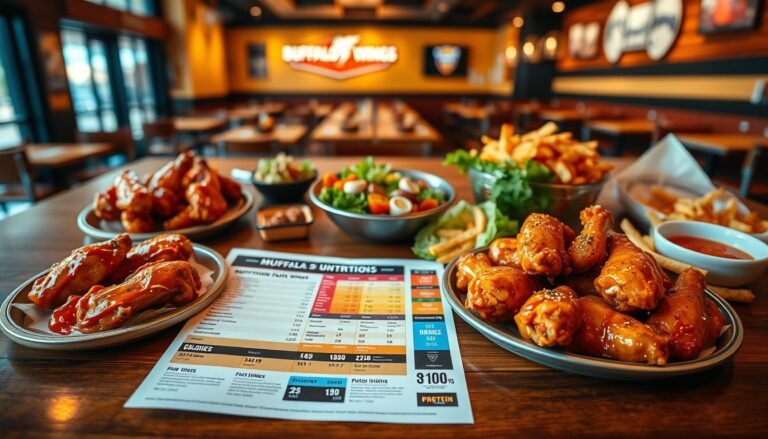
Start by opening the restaurant’s Nutrition, Allergen, & Preparation PDF. Use it to compare calories, fat, carbs, protein, and sodium for different item counts, sauces, and sides.
How to use the Nutrition Guide PDF to compare calories, carbs, and sodium
Find the row for traditional wings and the sauce you plan to order. Check calories and sodium per piece or per order size.
Note how Honey BBQ or Parmesan Garlic raises sugar and calories compared with dry rubs.
Smarter combos: wings + veggie sides vs. fried sides
Pick a protein plus low-handling sides. Traditional wings plus carrots and celery usually keep carbs and calories lower than fries or tots.
If fries are in a shared fryer, treat that as a handling risk, not a nutrition swap.
Portion sizing for traditional wings (snack vs. meal)
Snack portion: 6 traditional wings — lighter calories, good for sharing or small appetite.
Meal portion: 10–12 traditional wings with a veggie side or a salad — fuller protein and a balanced plate.
- Sauce strategy: BBQ-style sauces add sugar; dry rubs raise sodium — check the PDF for exact numbers.
- Price note: Prices vary by location; pair the Nutrition Guide with the store price list before ordering.
| Item | Price (varies) | Calories | Gluten-Free Options | Allergens |
|---|---|---|---|---|
| Traditional wings (6) | Varies by store | See Nutrition Guide | Yes (by ingredient) | Dairy (if sauced) |
| Carrots & Celery | Varies by store | Low | Yes | None typical |
| Fries | Varies by store | Higher | Yes (ingredient only) | May contact wheat |
| Parmesan Garlic sauce | Varies by store | Adds calories | Often listed safe | Dairy |
Final reminder: nutrition numbers guide choices, but preparation and cross-contact controls determine real safety. Always verify preparation steps and allergen notes at your location before ordering.
How to Order Gluten-Free at Buffalo Wild Wings Without Guessing
Before you order, check the Nutrition, Allergen, & Preparation page and save the Allergen & Preparation Guide PDF. These resources show current ingredient flags and handling notes so you can choose safer items and sauces.
What to say to your server: state a clear allergen note, ask for a glove change, request clean utensils, and ask that proteins be cooked on a clean area or grill.
- Ask if the location will use separate fryers or a protected process for fries and chips.
- Request that saucing be done in a separate container or bag to avoid cross-contamination.
- Confirm the wing style (traditional wings vs. boneless), or ask about naked tenders and grilled chicken handling.
Dine-in vs. takeout: dine-in lets you confirm steps and read the ticket. Takeout can be misread—double-check the order at pickup and keep allergen items apart from other plates.
| Step | Why it matters | Quick script |
|---|---|---|
| Check guide | Lists current ingredient and handling flags | “I checked the allergen guide; can you confirm handling?” |
| Verify fryers | Use separate fryers reduces transfer risk | “Do you use separate fryers for chips/fries?” |
| Protect saucing | Separate saucing avoids shared bowls | “Please sauce in a separate container or bag.” |
Protect-your-order checklist: read the ticket, verify traditional wings or chosen protein, confirm sauce, and separate your plate from other items at the table.
Conclusion
Bottom line: you can often build a gluten-aware order at buffalo wild wings, but real safety depends on your location’s prep and handling. Use the allergen list and confirm staff steps before you commit.
Stick with traditional wings or bone-in wings, a confirmed sauce or dry rub, and veggie sides. Ask about lemon pepper, ranch, or a simple dry rub and verify the sauce and utensils.
Avoid boneless, breaded tenders, cauliflower bites, and bun or tortilla items every time. The two biggest risk reducers are separate fryers and separate saucing/clean utensils.
Check the official PDFs each visit. Use the scripts and checklist in the ordering section so you can enjoy game-night food with confidence, not luck.