Panda Express Allergen Menu: Detailed Nutrition [Info]
panda express allergen menu gives quick, practical facts so you can plan an order with confidence. In short: this guide lists which items may contain common allergens and links to official nutrition information.
This page explains what the guide covers and what it does not promise. It shows allergens, nutrition facts, and safer ordering steps. Ingredients and supplier practices change, and kitchens use shared equipment, so no dish is guaranteed free from cross-contact.
How to use this page: (1) identify your allergen concern, (2) cross-check the item list, (3) confirm cross-contact risk, (4) use nutrition info to compare meals. The guide points you to official resources on Panda Express for up-to-date details.
Quick nutrition tip: build a lighter plate by pairing steamed rice or veggies with leaner entrees. If you have severe food allergies, ask a manager and carry emergency medication like epinephrine as prescribed.
Allergens at Panda Express: What Guests in the U.S. Need to Know Right Now
Understanding how ingredients and shared cooking areas interact helps you choose safer items at this restaurant. Read this short guide to see which major allergens are used, where cross-contact happens, and why plain steamed rice is the most reliable gluten-free choice.
Major FDA allergens to watch
The company confirms it uses ingredients that include: milk, eggs, soy, wheat, peanuts, tree nuts, fish, shellfish, and sesame. Sesame is listed alongside the other FDA allergen groups.
Contains vs. may be present — why it matters
Even if a recipe does not list a specific item, shared woks and utensils can introduce traces. This is true for both declared and undeclared exposures and increases cross-contamination risk.
Typical shared-equipment risk points
- Woks and frying oil used for multiple entrees
- Shared tongs, ladles, and prep stations
- Ingredient bins at the make-line where sauces and proteins are nearby
| Item | Likely allergen presence | Cross-contact risk |
|---|---|---|
| Wok-fired entrees | soy, wheat, nuts | High — shared cooking equipment |
| Fried sides | wheat | Medium — shared fryers |
| Plain steamed rice | none declared | Lowest — safest gluten-free option |
If you have severe allergies, ask for manager-level confirmation about specific ingredients and shared cooking practices before ordering. For celiac diners, plain steamed rice is the only consistently reliable gluten-free choice; sauces, breading, and noodles commonly contain wheat and soy.
panda express allergen menu: Quick Guide by Allergen Concern
Choose your allergen below to see where it usually appears and how to lower exposure when ordering.
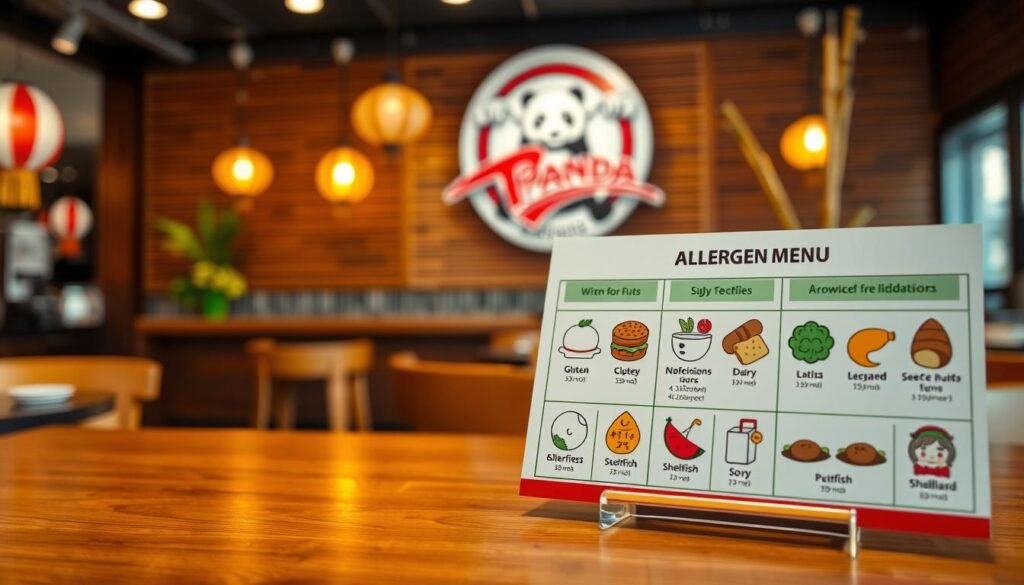
Wheat and soy — where they hide
Wheat and soy show up in breading, noodles, and most sauces. That makes them very common across entrees and sides. Plain steamed rice remains the only consistently gluten-free choice.
Peanut alert
Peanuts are primarily flagged for Kung Pao Chicken. Ask staff whether the same wok or utensils were used after cooking any peanut-containing chicken. Watch for spillover from nearby dishes.
Milk and egg flags
Items labeled with milk include some sauces and creamy sides. Verify recipes since formulations change. Most non-dairy items are free of eggs, but Fried Rice and Hot & Sour Soup list eggs as exceptions.
Fish and shellfish
Fish and shellfish (shrimp) risk comes from shared fryers, tongs, and splatter during service. Confirm handling practices if you have a severe allergy.
- Ask these questions: What oil is used? Can a fresh wok/pan be used? Do sauces or binders contain my allergen?
| Allergen | Common sources | In-store risk | Quick ask |
|---|---|---|---|
| Wheat + soy | Breading, noodles, sauce | High — almost everywhere | Can plain rice be prepared separately? |
| Peanuts | Kung Pao Chicken | Medium — spillover/wok use | Was the wok used for peanut dishes? |
| Milk | Creamy sauces, some breading | Medium — ingredient changes | Does this dish list milk ingredients? |
| Fish / Shellfish | Shrimp, fish entrees | Medium — shared fryers/tongs | Were fryers or tongs shared? |
Allergen-Friendly Menu Options by Category (U.S. Menu)
Start here for a concise, category-by-category list of safer choices on the U.S. lineup.
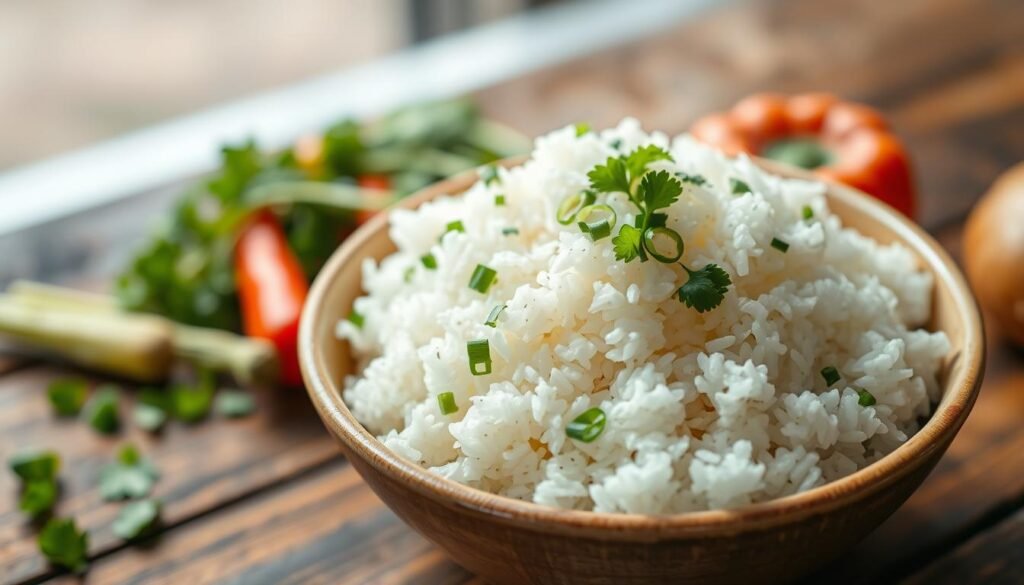
Steamed rice “safe bets”
White Steamed Rice and Brown Steamed Rice are listed as soy-free in the Jan 2026 dairy-free guide. They are the closest thing to a dependable base.
Keep in mind shared woks and utensils can still pose cross-contact risk.
Sides and appetizers to watch
Chow Mein (wheat/soy), Fried Rice (egg exception), and Super Greens are common side choices. Chicken Potstickers and Vegetable Spring Rolls vary by location—verify ingredients at your local store.
Soups, proteins, and kid meals
Hot & Sour Soup often lists egg and can be high-risk due to shared ladles and steam-table splashes.
Chicken entrees to consider include Black Pepper Chicken, Grilled Teriyaki Chicken, Honey Sesame Chicken Breast, Mushroom Chicken, and String Bean Chicken Breast. Kung Pao Chicken contains peanuts; watch for cross-contact.
SweetFire Chicken Breast is labeled soy-free in the updated guide, but refined soy oil or sauce changes may apply. Beijing Beef, Broccoli Beef, Black Pepper Sirloin Steak, Wok-Fired Shrimp, and Steamed Ginger Fish are listed but confirm current ingredients.
Kid-friendly Cub Meals include Broccoli Beef Cub Meal and Grilled Teriyaki Chicken Cub Meal.
Items to double-check for milk
Double-check Orange Chicken, Honey Walnut Shrimp, Cream Cheese Rangoon, and Chicken Egg Roll for milk before ordering.
| Item | Price | Calories | Vegan/Keto/Gluten-Free | Allergens |
|---|---|---|---|---|
| White Steamed Rice | Pull local price | Pull nutrition | Vegan (check prep) | None declared (shared-kitchen risk) |
| Fried Rice | Pull local price | Pull nutrition | Not vegan (contains egg) | Egg, soy, wheat |
| Grilled Teriyaki Chicken | Pull local price | Pull nutrition | Not keto | Soy, wheat (verify) |
| Kung Pao Chicken | Pull local price | Pull nutrition | Not vegan | Peanuts, soy, wheat |
Nutrition Information and Dietary Breakdown: How to Compare Meals
Compare dishes side-by-side with published nutrition data to build a lower-calorie plate.
How to use official nutrition information to build a lean, protein-forward meal
Start by viewing the brand’s online nutrition information for calories, protein, sodium, and sugar. Use those numbers to compare entrees and sides instead of guessing.
Pick a base like steamed rice, add a protein-forward dish, and skip sauce-heavy options that spike calories and sodium. Remember that a lower-calorie choice can still contain common allergens.
Label limits and proprietary ingredients
Ingredient lists may omit proprietary flavor blends. However, declared allergens and allergen information are required and should guide your choices.
“Contains” means the ingredient is in the recipe. “May contain” flags cross-contact risk from shared woks, oil, or utensils.
Quick comparison template
| Item | Price | Calories | Vegan/Keto/Gluten-Free Options | Allergens |
|---|---|---|---|---|
| White Steamed Rice | Varies by location | Short check official info | Vegan (check prep) | None declared; shared-kitchen risk |
| Grilled Teriyaki Chicken | Varies by location | Short check official info | Not keto | Soy, wheat (verify) |
| Super Greens | Varies by location | Short check official info | Vegan | None declared; verify |
How to Order More Safely at Panda Express Locations
A short, focused check with staff can cut your risk of cross-contamination before you order. Ask specific questions about current ingredients and how cooking stations are managed at that location.
What to ask staff or a manager
- State the allergen you need to avoid, then ask to see the current ingredient/allergen chart for the items you want.
- Ask whether woks, fryers, and other shared cooking equipment are used for shrimp, chicken, or nut-containing dishes.
- Confirm if utensils are swapped between items and whether sauces are pre-batched or added per order.
Best practices for severe food allergies
Visit during slower hours so staff can pay closer attention. Avoid peak lunch and dinner rushes when cross-contact risk rises.
Use clear order notes: list the specific allergen (for example, milk or peanuts), request fresh gloves, and ask for clean utensils where possible. Always confirm the final item before leaving the counter.
Medical note: people with severe food allergies should carry an epinephrine auto-injector if prescribed and should not rely solely on verbal assurances.
Where to find official allergen and nutrition information before you go
Preview ingredient and nutrition information online via PandaExpress.com or the brand app. Checking these resources helps you target which items to double-check in-store—Orange Chicken is commonly flagged for milk, so confirm its current ingredients and sauce formulation.
| Quick script | What to confirm |
|---|---|
| “I have a severe [allergen]. Can I review the current ingredient list?” | Ingredients, cross-contact procedures, shared cooking equipment |
| “Can you prepare my item with fresh gloves and clean utensils?” | Glove/utensil change, separate prep if possible |
| “Is the sauce pre-batched or added to order?” | Sauce ingredients and handling |
Decision rule: if staff cannot confidently answer ingredient and shared-equipment questions at a location, choose a simpler option like steamed rice or consider a different restaurant.
Conclusion
Here’s a compact takeaway to help you choose safer dishes and ask the right questions at the counter.
The panda express allergen menu is a useful filter, but shared cooking and sauces mean verification matters. Major allergens appear across this menu, so treat each dish as a possible risk.
Most common realities: soy and wheat are widespread. Milk and eggs show up in specific items. Peanuts are the callout for Kung Pao; cross-contact is possible.
Quick checklist: pick plain rice, confirm entree ingredients, ask about shared pans and utensils, and use official nutrition information to compare meals.
Dietary note: vegan, keto, and gluten-free needs need extra scrutiny. For gluten-free, plain steamed rice is the most reliable choice.
FAQ
Q: Does this restaurant have a gluten-free menu? A: No dedicated list — rice is the safest option, but shared-kitchen risk remains.
Q: What’s the top peanut risk item? A: Kung Pao Chicken — confirm wok and utensil use.
Q: Are there dairy-free options? A: Yes, many items are dairy-free; verify that Orange Chicken and Honey Walnut Shrimp do not contain milk.
Q: Is Fried Rice egg-free? A: No — Fried Rice is an egg exception; always verify.
Q: Where is the official allergen chart? A: Find current information on PandaExpress.com or the app, and ask in-store.
Order informed, not assumed. Ask clear questions, carry meds if needed, and choose simpler options when in doubt. Enjoy your cuisine with care.